Mont Blanc Avalanche: 'Safe Spot' Paradox Shocks Skiers
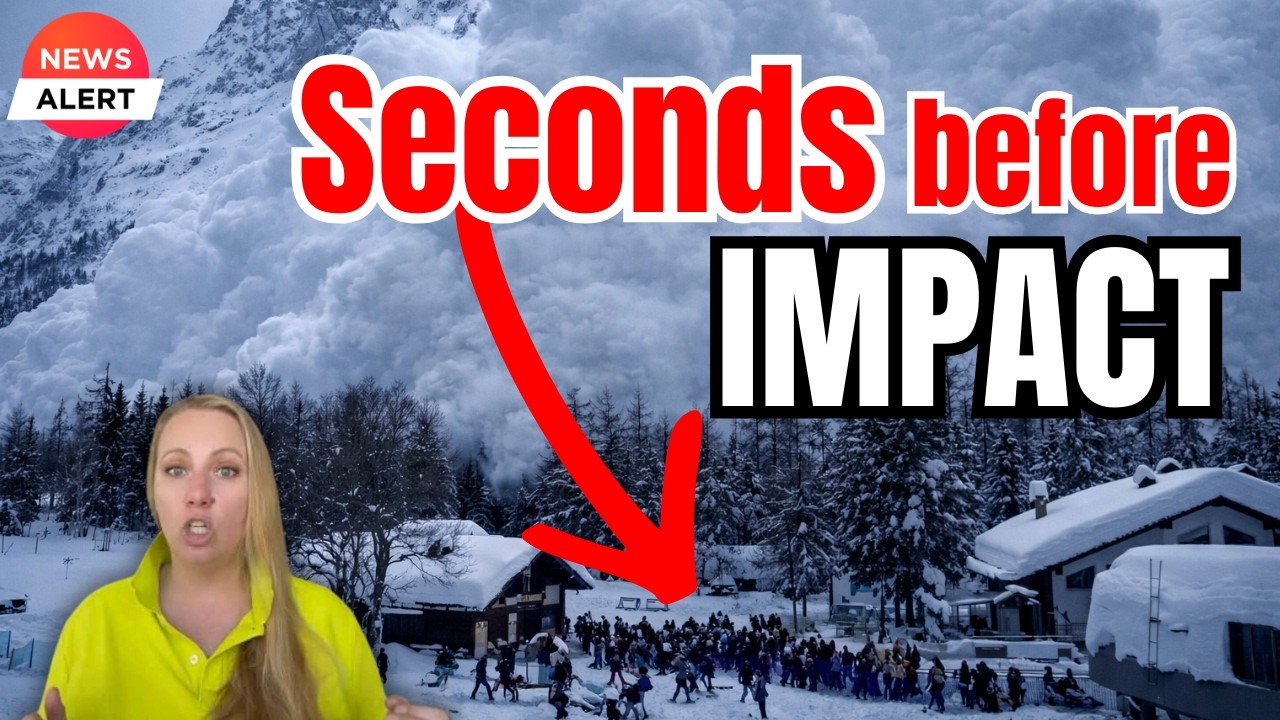
The majestic slopes of Mont Blanc, a beacon for skiers and mountaineers worldwide, recently became the scene of a startling incident that has ignited crucial conversations about mountain safety. An avalanche in Courmayeur, Italy, specifically on the Mont Blanc massif, dramatically rumbled down towards a queue of skiers awaiting a lift. What made this event particularly unnerving was not just its proximity to a popular piste, but the fact that the area, despite its known propensity for snow release, was paradoxically considered a "safe spot" by seasoned instructors. This 'safe spot' paradox forces us to re-evaluate our understanding of risk, even in seemingly managed resort environments, and underscores the dynamic, unpredictable nature of the mountains.
The Mont Blanc Avalanche That Defied Expectations
The incident, captured on video by ski instructor Jean Claude Chiementin, unfolded on a Tuesday in Courmayeur, Italy. Skiers queued for a lift suddenly found themselves enveloped in a powerful powdery cloud as an avalanche descended the slopes of Mont Blanc. While remarkably, no one was injured in this particular event, the visual impact of the towering wave of snow heading directly towards a group of unsuspecting individuals was a stark reminder of the mountain's raw power.
Chiementin, a local expert, revealed a deeply unsettling detail: the area where the avalanche Mont Blanc occurred is "known to release snow frequently." Yet, astonishingly, it is simultaneously considered a "safe spot." This was not an isolated occurrence either; it was reportedly the third avalanche of that very day. The juxtaposition of frequent snow release with an assumption of safety creates a profound dilemma for resorts and skiers alike.
Unpacking the 'Safe Spot' Paradox on Mont Blanc
How can an area known for frequent snow releases still be classified as a "safe spot"? This paradox lies at the heart of the ongoing debate about ski resort safety. Several factors might contribute to such a designation:
- Controlled Releases: Areas prone to avalanches might be subject to regular, controlled blasting by resort safety teams to mitigate larger, more dangerous buildups of snow. If these controlled releases are typically small and don't reach populated areas, it might foster a sense of security.
- Perceived Predictability: If releases happen frequently but consistently in the same manner and without incident, it can lead to a perception of predictability and therefore safety, even if the underlying hazard remains.
- Proximity to Infrastructure: Skiers often feel safer when near lifts, pistes, or other resort infrastructure, assuming these areas are constantly monitored and managed for safety.
- Psychological Comfort: Familiarity with a location, combined with years of uneventful skiing, can breed a false sense of security, causing individuals to underestimate inherent risks.
The incident on the Mont Blanc avalanche slopes in Courmayeur highlights a critical vulnerability. Even in zones deemed "safe" due to perceived predictability or proximity to groomed runs, natural forces can still pose a threat. This phenomenon isn't exclusive to Courmayeur. Similar concerns have been raised after other incidents, such as the avalanche that hit a piste at Flégère in Chamonix, where three individuals were reportedly caught but managed to escape. These events underscore a growing apprehension among skiers regarding the reliability of "safe zones" on or near marked trails.
Europe's Evolving Avalanche Landscape: Beyond Mont Blanc
The incidents near Mont Blanc and in Chamonix are not isolated. There's a broader pattern emerging across the Alps. Many experts and seasoned skiers have noted that Europe seems to be having a higher number of avalanches this season. This trend is likely influenced by a complex interplay of environmental factors:
- Climate Change: Warmer temperatures can lead to more unpredictable snowpacks. Rapid thaws followed by freezes create unstable layers within the snow, making it more prone to collapse. Erratic snowfall patterns, including heavy dumps followed by wind, can also create dangerous conditions.
- Increased Off-Piste Popularity: While the Mont Blanc incident occurred near a lift queue, the overall increase in off-piste skiing and snowboarding pushes more people into unmanaged terrain, indirectly raising awareness of avalanche frequency.
- Variable Snowfall: Seasons with inconsistent snow can lead to weaker snowpacks. Layers of old, weak snow can be buried by new, heavy snow, creating ideal conditions for slab avalanches.
The Reddit user discussing the Flégère incident aptly articulated a common expectation: "areas that could affect the piste are either maintained or even closed when the risk is high." This highlights the public's reliance on resort management to ensure safety, even as the challenges of doing so become more complex due to changing weather patterns. The 'safe spot' paradox becomes even more pronounced when these expectations are not fully met, or when the definition of "safe" is tested by unforeseen events.
Distinguishing Between Piste and Off-Piste Risks
It's crucial for skiers to understand the fundamental difference in risk assessment between designated pistes and off-piste terrain. Pistes are groomed, patrolled, and actively managed by resort staff, often involving avalanche control measures like blasting. While not entirely immune, they are generally considered the safest areas. Off-piste, however, is unmanaged, ungroomed, and presents significantly higher risks. Here, the responsibility for safety largely falls on the individual, requiring comprehensive knowledge of snowpack, terrain, weather, and the use of essential safety equipment.
The recent Mont Blanc incident blurs this line somewhat, demonstrating that even areas adjacent to or leading to pistes can harbor risks, challenging the conventional wisdom of what constitutes a "safe" resort environment.
Essential Safety Measures for Skiers and Resorts
Given the Mont Blanc avalanche and the broader trend of increased avalanche activity, a renewed focus on safety is paramount for both skiers and resort operators.
For Skiers and Snowboarders:
- Check the Avalanche Forecast: Always consult the local avalanche bulletin before heading out, even for piste skiing. Understand the risk level and the specific conditions (e.g., wind slab, weak layers).
- Heed Warnings and Closures: Respect all resort signage, ropes, and closures. These are put in place for your safety.
- Never Ski Alone Off-Piste: If venturing into unmanaged terrain, always go with companions who are also trained in avalanche safety.
- Carry Essential Gear: For any off-piste or even near-piste exploration, carry an avalanche transceiver, shovel, and probe, and know how to use them. An avalanche airbag system is also highly recommended.
- Get Educated: Enroll in avalanche safety courses (e.g., Avy 1) to understand snow mechanics, risk assessment, and rescue techniques.
- Recognize Warning Signs: Be aware of recent heavy snowfall, strong winds, rapid temperature changes, "whumphing" sounds (collapsing snowpack), or cracking snow.
- Communicate Your Plans: Let someone know your route and expected return time.
For Ski Resorts and Authorities:
- Vigilant Monitoring and Forecasting: Continue to invest in advanced snowpack analysis and accurate avalanche forecasting.
- Proactive Avalanche Control: Implement robust avalanche control programs, including preventative blasting, to stabilize high-risk areas.
- Clear Communication: Ensure real-time, easily accessible information on avalanche risk levels, piste closures, and dangerous areas.
- Invest in Safety Infrastructure: Maintain and upgrade safety barriers, signage, and rescue resources.
- Public Education Initiatives: Actively promote avalanche awareness and safety education among all resort visitors.
The Mont Blanc avalanche in Courmayeur serves as a powerful reminder that mountains, even in their most frequented areas, demand respect and constant vigilance. The 'safe spot' paradox challenges us to rethink our assumptions about safety and encourages a more proactive, informed approach to enjoying the thrilling, yet inherently risky, sport of skiing.