Europe's Avalanche Season: Why Pistes Face More Risk?
Europe's majestic ski resorts, famed for their pristine slopes and breathtaking alpine vistas, have long been synonymous with winter sports. Yet, recent seasons have seen a troubling trend emerge: avalanches striking within or dangerously close to maintained ski pistes. This phenomenon challenges the traditional perception of safety on groomed runs and raises critical questions about the interplay of changing climate, human factors, and resort management. From the iconic Mont Blanc Massif to the popular slopes of Chamonix, incidents are prompting skiers and industry professionals alike to re-evaluate what it means to be truly safe on the mountain.
The very idea of an avalanche hitting a marked and patrolled piste often comes as a shock. Skiers are conditioned to believe that these areas are meticulously controlled and safe. However, as we delve into the dynamics of Europe's current avalanche season, it becomes clear that this assumption is being tested. This article explores why pistes might be facing an increased risk, examines recent high-profile incidents, and offers insights into how both resorts and skiers can adapt to a more unpredictable alpine environment.
The Shifting Landscape of European Avalanche Risk
The perception of risk on European ski slopes is undergoing a significant transformation. For decades, ski resorts have invested heavily in avalanche control, employing sophisticated techniques from blasting to manual snowpack assessment, to ensure the safety of their designated pistes. Yet, reports from various regions suggest a complex interplay of factors is contributing to a potentially higher number of incidents, even in areas previously considered secure.
One primary driver is undoubtedly climate change. Warmer temperatures, erratic snowfall patterns, and more frequent freeze-thaw cycles are creating highly unstable snowpacks. A season might begin with heavy snowfall, followed by warm spells that create weak layers within the snowpack. Subsequent fresh snow then loads these fragile foundations, setting the stage for spontaneous releases. This unpredictability makes the task of forecasting and mitigating avalanche risk incredibly challenging for even the most experienced ski patrols.
Beyond climate, human factors also play a role. The increasing popularity of ski touring and off-piste skiing, while enriching, means more people are venturing into uncontrolled terrain, sometimes inadvertently triggering slides that can impact areas below, including pistes. There's also a psychological component: the very definition of a "piste" instills a sense of unwavering safety, which can lead to a reduced vigilance among skiers who might otherwise be more cautious in the backcountry.
Mont Blanc's Paradox: When 'Safe Spots' Aren't So Safe
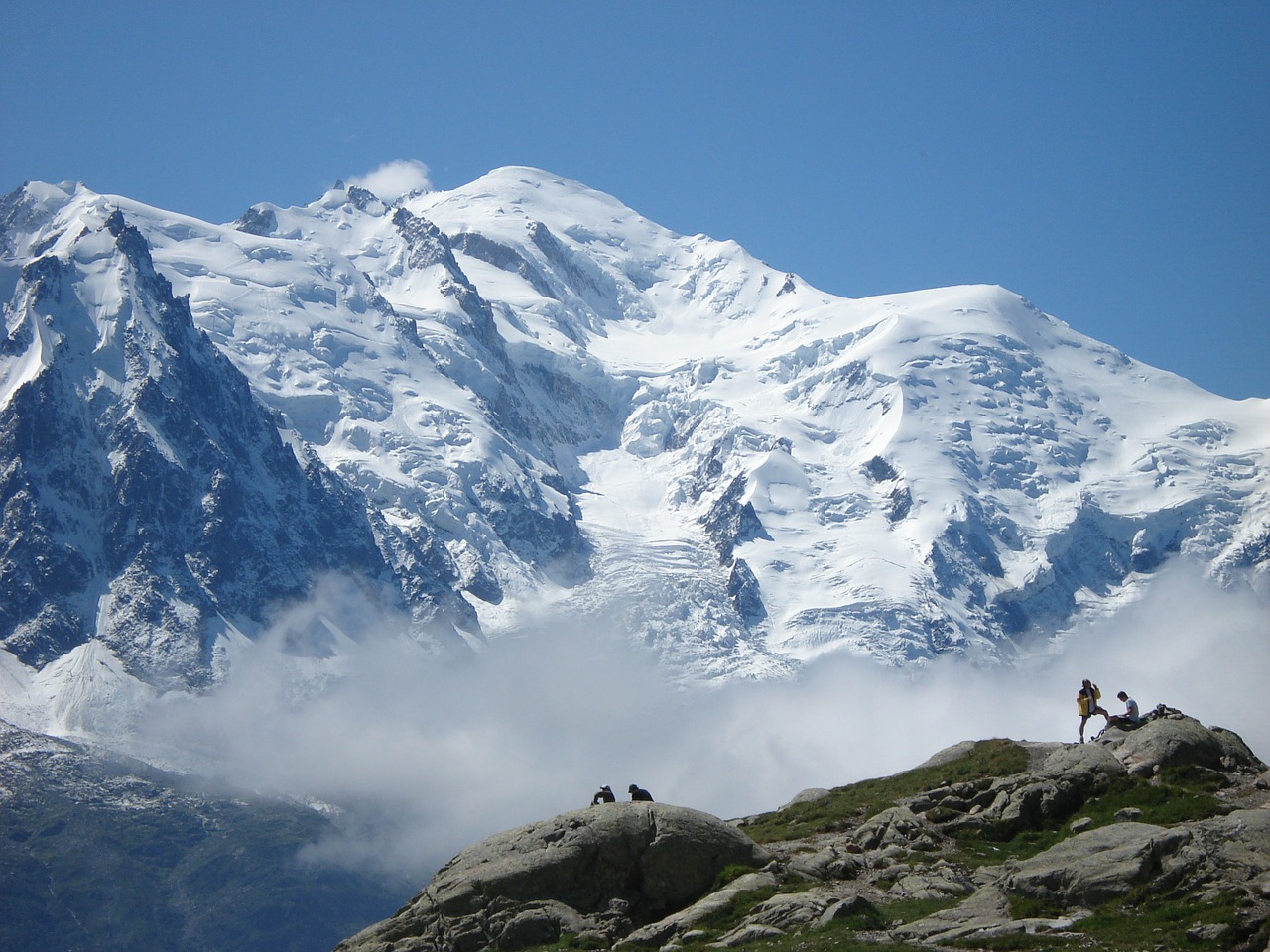
The Mont Blanc Massif, an imposing and revered natural wonder, recently became the site of an incident that vividly underscored the evolving nature of avalanche risk. In Courmayeur, Italy, an avalanche Mont Blanc incident occurred near a lift line, catching a group of skiers waiting to ascend the mountain. Ski instructor Jean Claude Chiementin, who captured the dramatic event on video, highlighted a crucial point: the specific area was "known to release snow frequently" but was paradoxically "considered a safe spot." This particular day saw three such avalanches, though fortunately, no one was injured.
This event serves as a stark reminder that even within the perceived boundaries of resort safety, areas can possess inherent natural instability. The paradox lies in the conflicting information: a location frequently shedding snow should, by definition, be treated with caution. Yet, if it's within a resort's operational area and perhaps even near a lift, the psychological branding of "safe" often overrides common sense. Such incidents force a re-evaluation of how resorts communicate risk and how skiers interpret those warnings. The Mont Blanc region, while stunning, demands respect for its raw power, and even areas with established infrastructure are not entirely immune to its forces.
Chamonix's Flégère and the Piste Safety Debate
Further demonstrating the concerns within the European ski community, an avalanche hit a piste at Flégère in Chamonix, France. While all three individuals involved in this particular incident thankfully made it out safely, the event ignited a broader discussion among skiers and professionals about the security of marked ski runs. The core question, succinctly captured in online forums, was: if a piste is maintained, why is it still vulnerable when the risk is supposedly high, or why isn't it closed?
The Flégère incident, like others, underscores the immense challenges faced by ski resorts in managing vast, dynamic mountain environments. Ski patrols and avalanche forecasters work tirelessly to assess snowpack stability, conduct control work, and make difficult decisions about opening and closing terrain. However, the mountain is an unpredictable entity. A combination of factors – sudden changes in weather, wind loading, or even the cumulative effect of skier traffic – can lead to unexpected instabilities. Avalanche on Piste: Chamonix's Flégère and Ski Safety Concerns highlights the complexities of protecting skiers in a landscape that is constantly shifting.
The debate around piste safety often revolves around the boundaries of responsibility. While resorts strive for optimal safety, the sheer scale of the terrain, combined with rapidly changing conditions, means that 100% security can never be guaranteed. Skiers, in turn, have a responsibility to heed warnings, understand conditions, and not assume absolute invulnerability simply because they are on a marked run.
Unpacking the 'Why': Factors Contributing to Increased Piste Vulnerability
Understanding why pistes are increasingly exposed to avalanche risk requires a deeper dive into several interconnected factors. It's not a single cause but a confluence of environmental shifts and human interactions with the alpine environment.
Climate Change and Unpredictable Snowpacks
The most pervasive influence is climate change. Warmer winters in the Alps mean that precipitation often falls as rain instead of snow, even at higher elevations. Rain-on-snow events are particularly dangerous as they can saturate the snowpack, creating a heavy, cohesive slab on top of a weaker, older layer. Subsequent cold snaps and fresh snow exacerbate this, forming layers of instability that are ripe for triggering. The historical patterns of consistent cold and steady snowfall, which once allowed snowpacks to consolidate predictably, are becoming less reliable, leading to more fragile and complex structures.
- Rain-on-Snow Events: Creates dense, heavy layers that sit on weaker, often icy, foundations.
- Freeze-Thaw Cycles: Repeated thawing and refreezing can form ice lenses and unstable faceting within the snowpack.
- Reduced Cold Spells: Prevents snow from "settling" and bonding properly, leading to persistent weak layers.
Human Factors and Terrain Expansion
With increasing numbers of skiers and snowboarders, combined with the expansion of skiable terrain in many resorts, the interface between "controlled" and "uncontrolled" areas becomes more fluid. Skiers might inadvertently stray close to unmarked boundaries or venture into areas where control measures are less frequent. Furthermore, the sheer volume of traffic on certain slopes can, under specific conditions, act as a trigger, especially on slopes already primed for release.
- Increased Traffic: The weight and motion of many skiers can stress an unstable snowpack.
- Boundary Proximity: Skiers may venture just off-piste, triggering slides that run onto the piste.
- False Sense of Security: The comfort of being on a piste can lead to complacency and a reduced awareness of surrounding hazards.
The Dynamics of Slab Avalanches
Many of the most dangerous avalanches, especially those hitting pistes, are slab avalanches. These occur when a cohesive layer of snow (the "slab") slides over a weaker, underlying layer. What makes them particularly insidious is that they can be triggered from a distance or by a relatively small load, and they often release a large volume of snow. Wind-blown snow can rapidly create dangerous wind slabs, even on moderate slopes near pistes, which might otherwise be deemed low risk. These slabs might not always be visible, making assessment difficult without deep snowpack knowledge.
Navigating the Slopes: Tips for Enhanced Safety
As the alpine environment continues to evolve, both skiers and resort operators must adapt to ensure safety remains paramount. While resorts bear significant responsibility, individual awareness and preparedness are equally vital.
For Skiers and Snowboarders:
- Always Check Avalanche Forecasts: Even if you plan to stay on groomed runs, familiarize yourself with the local avalanche bulletin. This provides crucial context about general snow stability.
- Heed All Signage and Closures: Ski patrol warnings and closed-off areas are there for a reason. Respect them without question.
- Understand that 'Piste' Doesn't Mean 'Zero Risk': While significantly safer, no area in a dynamic mountain environment is entirely risk-free. Maintain a level of situational awareness.
- Be Aware of Conditions: Pay attention to fresh snowfall, high winds, and rapid temperature changes. These are key indicators of potential instability.
- Stay Within Marked Boundaries: Resist the temptation to duck ropes or venture into unmarked terrain, especially if you lack avalanche safety training and equipment.
- Consider an Avalanche Awareness Course: Even for those primarily skiing pistes, a basic understanding of snow science and mountain safety can significantly enhance awareness.
For Resort Management:
- Continuous Monitoring and Assessment: Invest in advanced snowpack analysis tools and increase the frequency of snow safety patrols.
- Proactive Avalanche Control: Regular and strategic blasting remains a crucial tool, particularly after heavy snowfalls or during periods of instability.
- Clear and Timely Communication: Ensure all relevant avalanche risk information, piste closures, and warnings are clearly communicated through multiple channels (signage, websites, apps).
- Educate the Public: Run campaigns to inform skiers about evolving risks and the importance of individual responsibility.
- Review and Adapt Terrain Management: Regularly assess the boundaries of maintained areas and consider if any "safe spots" near known unstable terrain need re-evaluation or enhanced control.
Conclusion
Europe's ski resorts are at a critical juncture, facing the dual challenges of a changing climate and increasing demands from winter sports enthusiasts. The recent incidents, particularly the avalanche Mont Blanc event and the episode at Chamonix's Flégère, serve as powerful reminders that the mountains command respect, even on seemingly safe pistes. While resort management works tirelessly to mitigate risks, a truly comprehensive approach to safety requires the active participation of every individual on the slopes.
By understanding the factors contributing to increased piste vulnerability, staying informed about conditions, and exercising personal responsibility, skiers can play a vital role in their own safety. The future of enjoying Europe's stunning alpine environment hinges on a collective commitment to vigilance, education, and adapting to the evolving realities of mountain risk. Only then can we continue to experience the joy of skiing while honouring the raw, unpredictable power of nature.